the same warm week, three hours north of the crowd
Reserve nine nights in Kanazawa and along the Noto road, late April into May
You can reserve nine nights on the far side of the mountains from Kyoto, in a city with an intact merchant quarter, a garden that predates most of what tourists photograph in Kyoto, and hotel rooms that do not treble in April. Kyoto in cherry blossom season is a real and beautiful thing, and it is also the fortnight when this coast is at its emptiest.
Nine nights, from $4,150 per person.
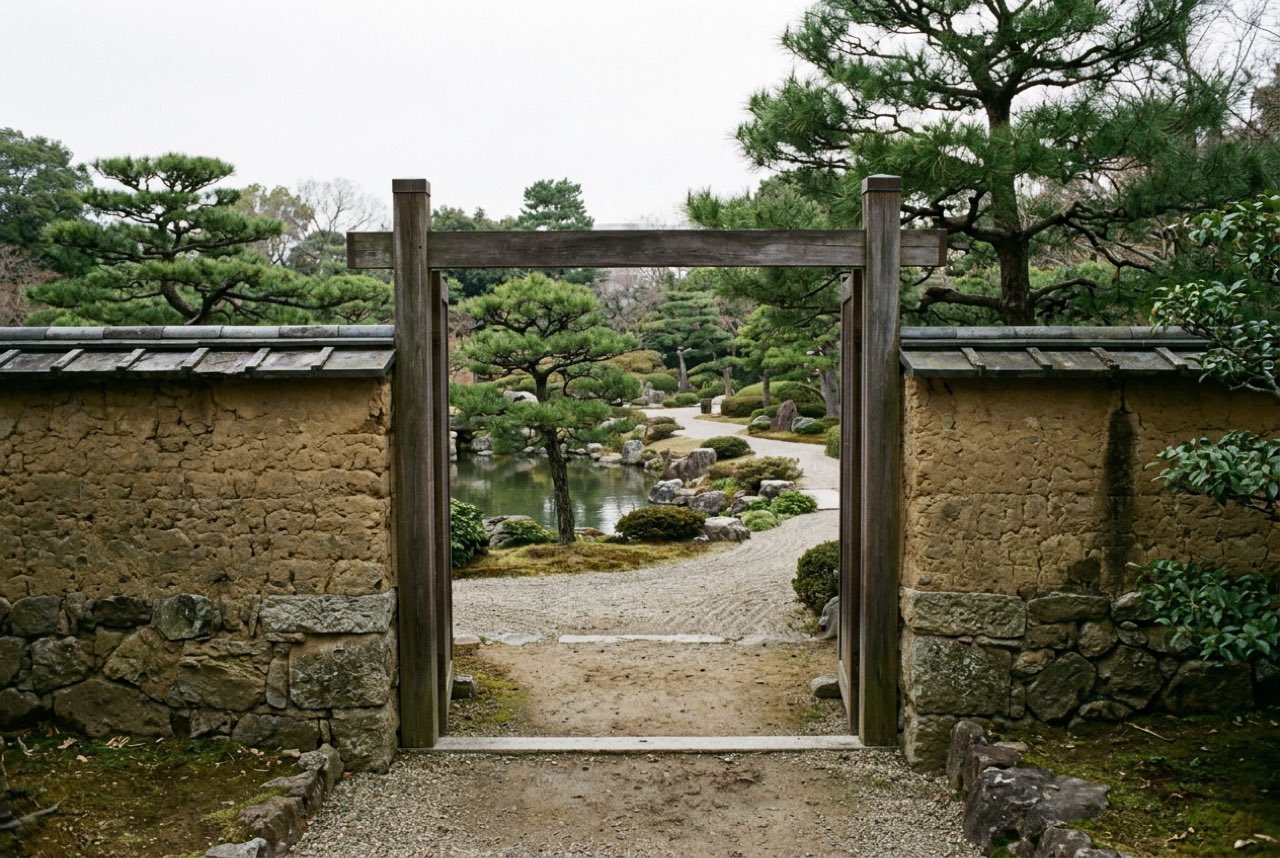
People asking for Kyoto in blossom season are usually picturing one specific thing: a slow walk under low branches, with water somewhere nearby, and a temple roof behind the trees. It is a precise picture and it comes from photographs taken on about four days of the year, in about six places, mostly before seven in the morning. The picture is real. Everything in it exists. What the photographs leave out is the four hundred people standing behind the person with the camera, waiting their turn on the same twelve feet of path.
The desk gets this request more than any other single wish, and it arrives in a predictable shape: someone has a two week window in April, they have wanted this for years, and they would like us to find them a good room near Gion. What we usually have to say is that the good rooms near Gion went in the previous June, and that the ones still showing availability in January are asking $620 a night for what costs $170 in the second week of March. That is not a scandal. It is what happens when a fixed number of rooms meets a demand spike with a fixed date and no substitute.
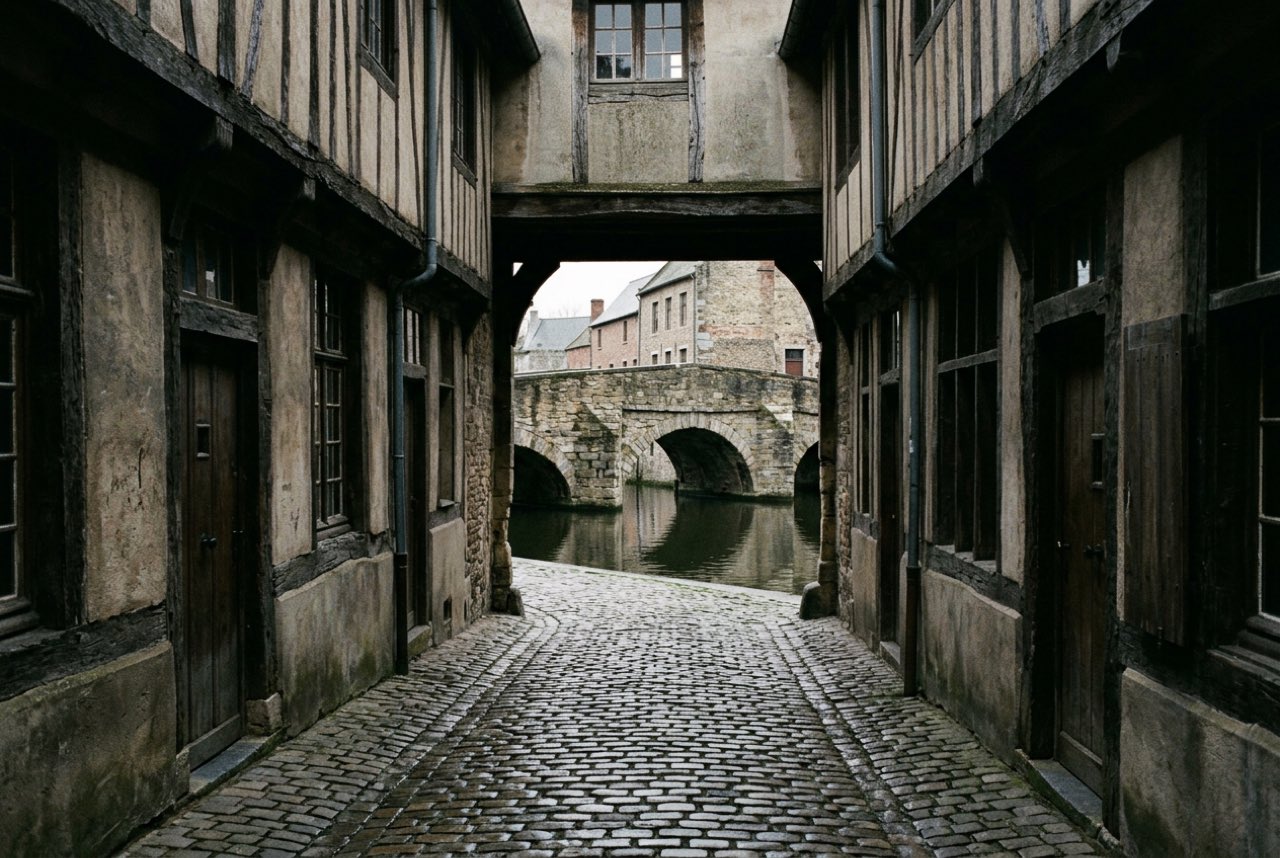
So we offer the coast instead. Kanazawa is on the other side of the mountains, two and a half hours from Tokyo on the same rail spine, and it kept things Kyoto also kept: an intact geisha quarter of wooden teahouses, a samurai district with earthen walls that are still re-plastered by hand, gold leaf workshops that supply temple restorations nationwide, and a garden laid out in the 1670s and worked on for two centuries afterward. The trees bloom here too, roughly a week to ten days after Kyoto, and the castle grounds have around 400 of them. The difference is that you can stand under one for as long as you want.
What people ask for
Kyoto in cherry blossom season
Kyoto in blossom is not a fashion. The trees along the Philosopher's Path and the old canal banks were planted to be seen this way, the city knows it, and for about ten days the whole place performs something it has rehearsed for four hundred years.
We do not arrange Kyoto in blossom week because room rates in the city run three to four times their February figure, most well located properties sell out eight to eleven months ahead, and we cannot place a reservation we cannot get.
What this desk will reserve instead
Nine nights in Kanazawa and along the Noto road
The same warm week, three hours north of the crowd.
Nine nights, from $4,150 per person. Send a booking request
How far this sits from the request: the same wish, a different address
Nine nights: five in one Kanazawa hotel with beds, four along the Noto coast in three family run inns with futon on tatami. The party moves by reserved train, then by hired car with a driver. Bags go ahead by courier on the two inn to inn days.
Komatsu airport sits 25 miles southwest of the city, about 45 minutes by road, and Kanazawa is 2 hours 30 minutes from Tokyo by fast train. The ground in the city is flat and paved; on the Noto road it is gravel, sand and some short stone stairs down to the water. Beds are Western in Kanazawa and floor futon on the coast. We hold this trip from the first week of April to the last week of May, from $4,150 per person, two sharing.
Nine nights' lodging with breakfast daily; five dinners, four of them the full multi course meal served at the coastal inns; reserved seats Tokyo to Kanazawa and back; a private car and driver for four days on the Noto peninsula; luggage courier on the two transfer days; entry to Kenrokuen, the castle grounds and two museums; a half day walk through the Higashi Chaya and Nagamachi quarters with an English speaking local guide; a morning at Omicho market with the cook from one of the inns.
International flights, which run $980 to $1,750 from the Midwest in April; four lunches and four dinners, budget $18 to $60 each; the airport bus or taxi from Komatsu at $12 or $95; sake brewery tastings on the coast at $15 to $30; laundry at the inns, $8 a load; anything at Omicho you decide to buy; tips, which are not expected anywhere on this trip and will be declined; a fee of $40 per person if you want seats held on a specific fast train more than three months out, which the rail company charges us and we pass on flat.
Do not reserve this if you cannot get down onto the floor and back up unaided: four of the nine nights are on a futon roughly 4 inches off tatami, and the inns have no beds at all. Two of the coastal days involve 3 to 5 miles of walking on uneven ground, including one stretch of 60 stone steps with a rope handrail and no lighting after dusk. Bathing at all three inns is communal and segregated by sex, with no private option. Nothing on the Noto road is step free.
What the coast is like once you leave the city
The Noto peninsula hooks north into the Sea of Japan for about 60 miles. The eastern side, facing the bay, is calm water, terraced rice fields running down to it, and villages of forty households. The western side takes the weather straight off the sea, and it looks like it: wind bent pines, black tile roofs weighted against gales, and a stretch of beach at Chirihama firm enough that cars drive on it. Salt has been made by hand along this coast for five hundred years by flooding sand flats and boiling the runoff, and two of the surviving works let you stand in the shed while it is happening.
The 2024 earthquake hit the northern tip of the peninsula hard, and parts of the coast road were out for a long stretch afterward. Our route runs the middle and eastern sections, which reopened and are working normally, and the three inns we use are all in villages that came through with their buildings intact. We say this plainly because you will read about the earthquake, and you should know where the trip goes and where it does not.
On the season, we can only tell you what the record shows rather than what April will do. Over the last decade the Kanazawa blossom has opened between April 1 and April 9, with full bloom typically four to six days later and petals largely gone within a week of that. Coastal Noto runs later still, often into the third week of April, because the sea holds the temperature down. Daytime highs in April sit around 59 to 66 degrees, and it rains on roughly a third of the days. Kanazawa is one of the wettest cities in Japan; the local habit of keeping an umbrella in every entryway is not decoration.
The kind of traveler this fits
This suits someone who wants the thing itself more than the confirmation that they were at the famous version of it. Nine nights is long enough to stop counting sights, and the second half of this trip has almost nothing to count: you are in a village, dinner is at six thirty, and the entertainment is a beach, a shrine with nobody in it, and whatever the innkeeper caught that morning. People who need a full day and a clear itinerary tend to find the Noto half slow. People who have been to Japan once already, saw the three big cities, and wondered what the rest of it was doing, tend to find it is the reason they came back.
It also fits people traveling as a pair or a trio who want to eat well without ceremony. The coastal dinners are ten or twelve small dishes, largely things pulled out of the water within a few miles, served in the room. There is no menu and no choosing. If you have a serious allergy we can tell the inns eight weeks ahead and they will work around it, but a guest who needs substitutions at every course will have a difficult four evenings.
The year on this coast, as it has run
Kanazawa blossom usually opens in the first week and the castle grounds fill with local families through the evening. Rooms are busy but obtainable, and the coast is still quiet.
Blossom moves north onto the peninsula. Golden Week begins at the end of the month, Japanese domestic travel peaks, and coastal inn rates rise for about eight days.
Rice is transplanted and the terraced fields at Shiroyone fill with water and reflect the sky. Warm, dry, and in our record the most reliable stretch of the spring.
The rainy front arrives, typically mid June through late July, and the coast road gets fog. We do not run this trip then.
Hot, humid, and the peninsula holds its fire festivals, which are genuinely extraordinary and completely full. Lodging is not obtainable at a reasonable figure.
Sea is warm, crowds are gone, and the fishing is at its best. We run a shortened version of this trip in October only.
Kenrokuen crews rope the pines into their winter cones, which is the single most photographed thing in the city after the garden bridge. Cold and clear.
Snow, wind off the sea, and crab season. Beautiful and hard. Several coastal inns close entirely from January.
The part people find out too late
The four coastal nights are the reason to come and also the part that catches people. The inns serve dinner between six and seven and lock the front door around ten. There is no bar, no room service, no elevator in two of the three buildings, and the walls between rooms are sliding panels rather than masonry. If your neighbor is a snorer you will know it. Wifi exists at all three and works badly at one of them. Nobody at the desk in these places speaks much English; we send a written card ahead with your arrival details and any food restrictions, and the whole thing runs on that card and on gesture, which works better than people expect and is still not the same as being understood.
The other awkward item is the car. Four days of a private driver is most of what separates this trip's figure from a cheaper self drive version, and people ask why we do not simply reserve a rental. The reason is that the coast road is single lane in long stretches with blind bends, signage is Japanese only once you leave the main route, and the parking at the places worth stopping for is improvised. A driver who has done it for years turns a tense day into a good one. If you would rather drive yourself we will say so honestly: we do not arrange rental cars, and this trip does not exist in that form.
When the answer really is the crowded city, in a different month
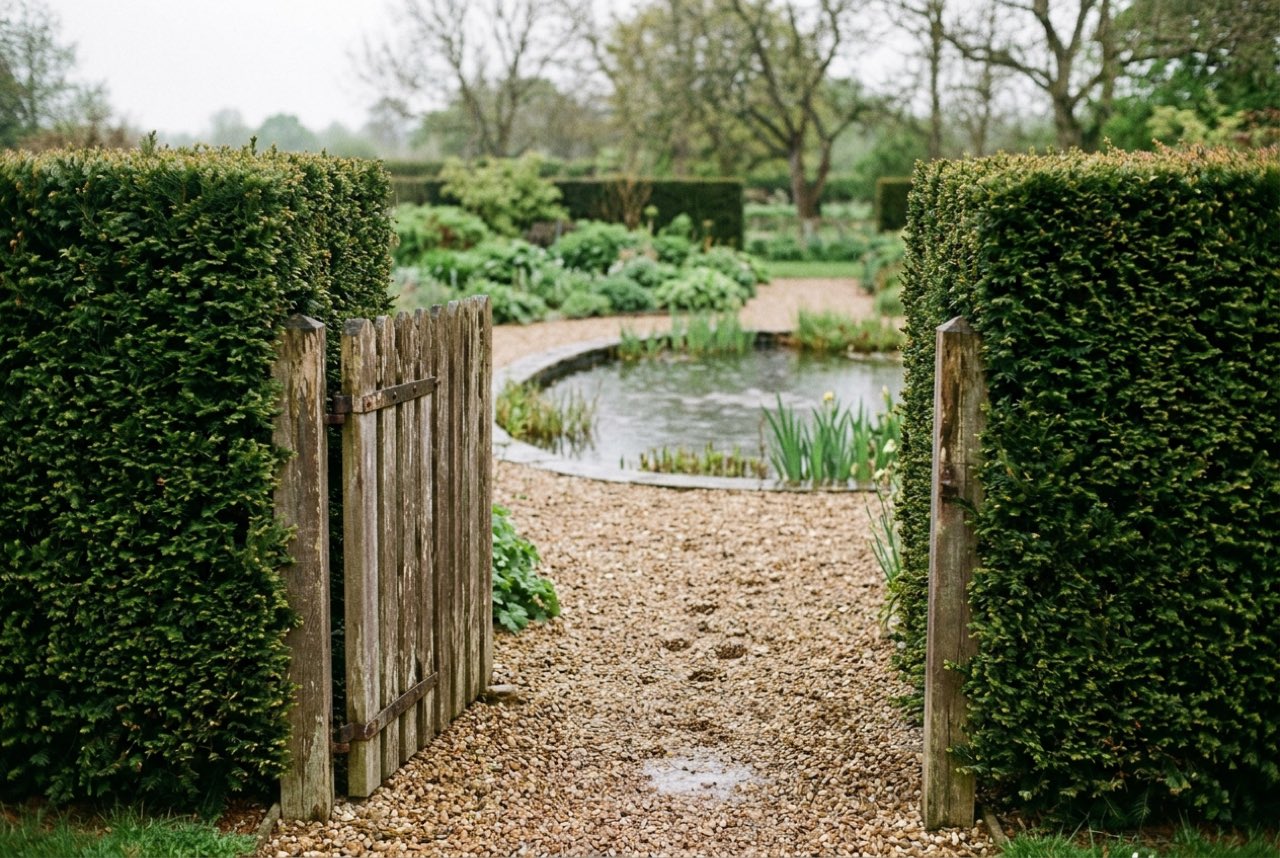
This is the second of the two pages on this site that end by sending you to the popular place instead. Blossom is a fortnight and it is genuinely the fortnight it is famous for; nothing else in the year replaces it, and a person who has waited twenty years to stand under those trees should stand under those trees. What can move is the year, not the week. The same city in the second half of November holds its maple colour for three or four weeks rather than ten days, the gardens keep the same hours, rooms fall to something like half the April figure, and the temperature sits in the fifties instead of the low sixties with rain.
We do not arrange it. Blossom fortnight is sold eleven months ahead by operators who hold rooms all year to be able to sell those fourteen nights, and this desk holds nothing there at all. If April is the point of the trip, take it elsewhere and go with our blessing. If what you actually wanted was the country rather than the fortnight, the week below is the one we can place.
Send this desk a booking request
This form is open 24/7 and takes booking requests at any hour. It asks for no card number and no payment, because nothing is ever paid to this office. Requests are read in the order they arrive and answered within one business day.
No card number is asked for on this page or held anywhere by this office, and sending this costs nothing and commits you to nothing. A request is not a reservation: nothing is held in your name until the operating company confirms it in writing and you have read its terms.